
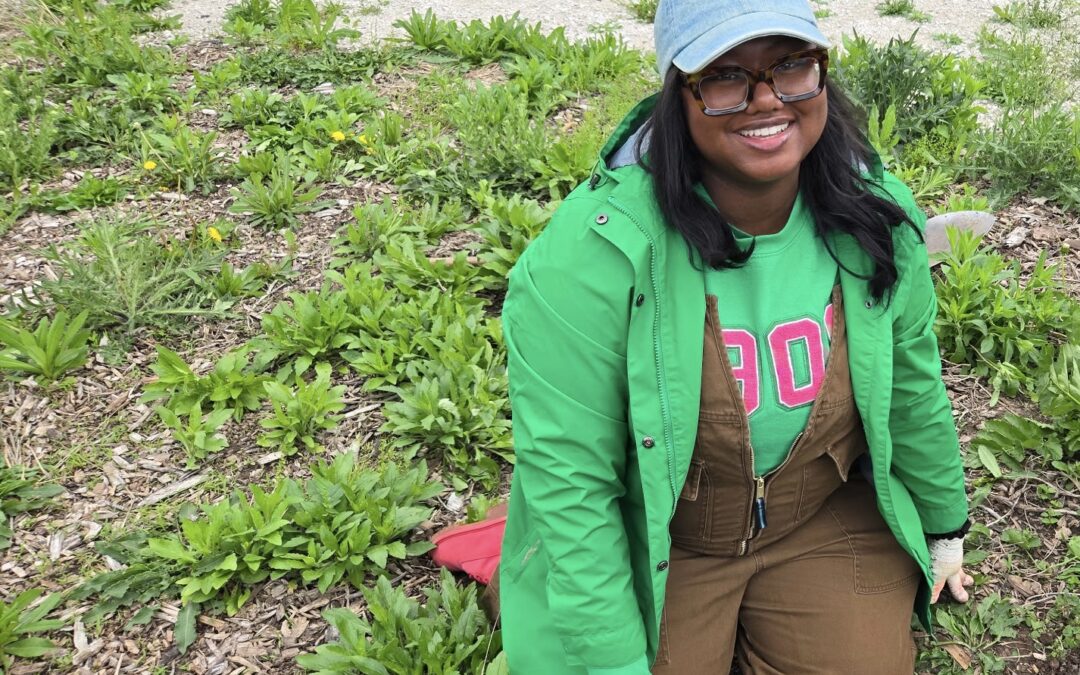
As we wrap up Black History Month, I find myself reflecting on what green spaces mean to me as a Black person. How do my experiences impact my work in the role? How does the work we do as a collective impact communities of color around Milwaukee and surrounding counties? And in a time where diversity, equity, and inclusion are under attack, what value does it hold specifically in park land and park stories?
For generations, Black communities in the United States have fostered deep connections to land, nature, and green spaces. The outdoors has been used as sites of joy, resistance, healing, community gathering and more. From church picnics to family reunions, from free spaces for recreation to places to play organized sports, from urban gardening to environmental activism, these spaces hold cultural and historical significance.
At Milwaukee Parks Foundation, I see this cultural and historical significance honored in our work, from the Black joy easily felt at one of Village Groups’ community picnics in Atkinson Park to the safe spaces created for youth at Washington Park with Rooted and Rising’s Cultural Art Vibes series or the fall Harvest Fest in Sherman Park. Supporting these initiatives helps keep our connection to nature and community thriving.
For Black Milwaukeeans, green spaces are not just about nature, they are about legacy, storytelling, and the right to gather, play, and heal in public spaces without barriers. MPF’s work is a direct investment in this vision, ensuring that parks remain places where everyone can create memories, advocate for environmental justice, and experience the restorative power of nature.
But we still have our work cut out for us. As I look at the 2025 Equity Index, I clearly see how historical disinvestment and systemic barriers have often limited equitable access and amenities within our vital outdoor spaces. This reality fuels my reflection, not just on my role at Milwaukee Parks Foundation, but on our collective responsibility to ensure every child, family, and elder in Milwaukee fully experiences the joy, healing, and opportunity that green spaces provide.
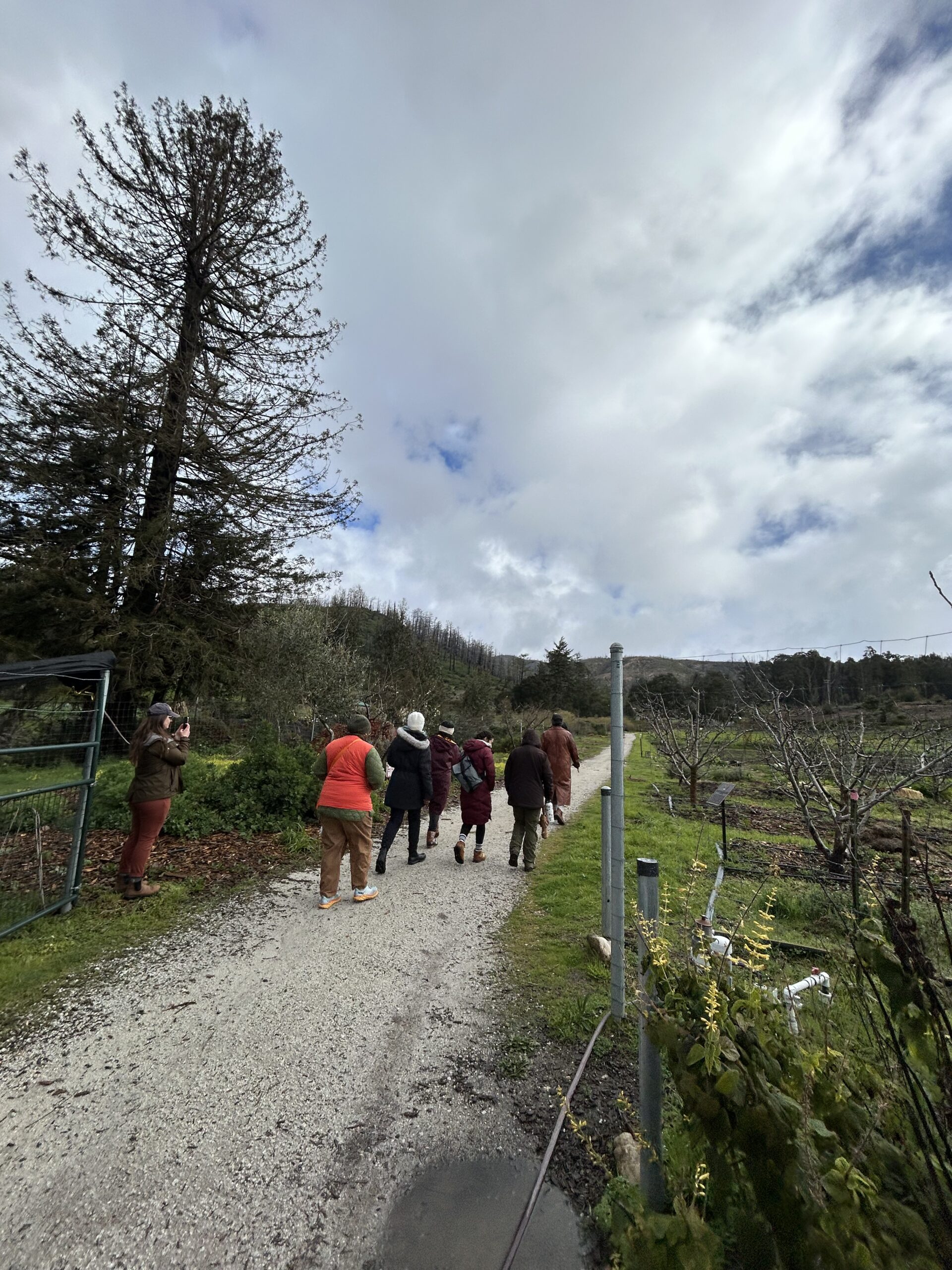
Honoring Black history in our parks isn’t just about reflection, it’s about action. It’s about continuing to invest in spaces where our stories are told, our traditions thrive, and our communities feel seen and valued. As we move beyond Black History Month, let’s commit to making our parks places where equity isn’t just an idea, it’s a lived experience.